Grow a Garden Trading Values 2026: A Comical Guide to Pet Hustling
Roblox Grow a Garden trading value list and ticket system guide: master rare pet trades, understand demand, and boost your virtual wealth.
In the enchanting world of Roblox’s Grow a Garden, where carrots sprout faster than gossip in a greenhouse, a silent, chaotic stock exchange buzzes behind the flower beds. It’s not the heirloom tomatoes or the rainbow pumpkins that whip gardeners into a frenzy—it’s the critters. Those waddling, fluttering, sometimes glowing bundles of pixels have turned the game into a bustling bazaar where a winged piglet can be worth more than a small moon’s supply of sheckles. With over 180 unique pets and counting (the devs keep tossing new creatures into the patch like confetti at a wedding), no reasonable human has them all. That’s where the trading system sashays in, clipboard in hand, transforming casual farmers into silver-tongued dealmakers.
A couple of seasons ago, trading in Grow a Garden resembled a back-alley swap meet run by raccoons wearing trench coats. Before update 1.17.0, players relied solely on the gifting system, a trust-fall exercise where you’d hurl a million-sheckle fruit into the void and pray the other person didn’t vanish like a rabbit in a magician's hat. Scams bloomed faster than dandelions, and friendships wilted. Then the developers unleashed the trading tickets system—a glorious, check-balanced marketplace that stamped every pet with a base value. It was like replacing a rusty seesaw with a Swiss watch: suddenly, everyone knew what their critters were technically worth, and the era of “oops, I got nothing” came to a thankful end.
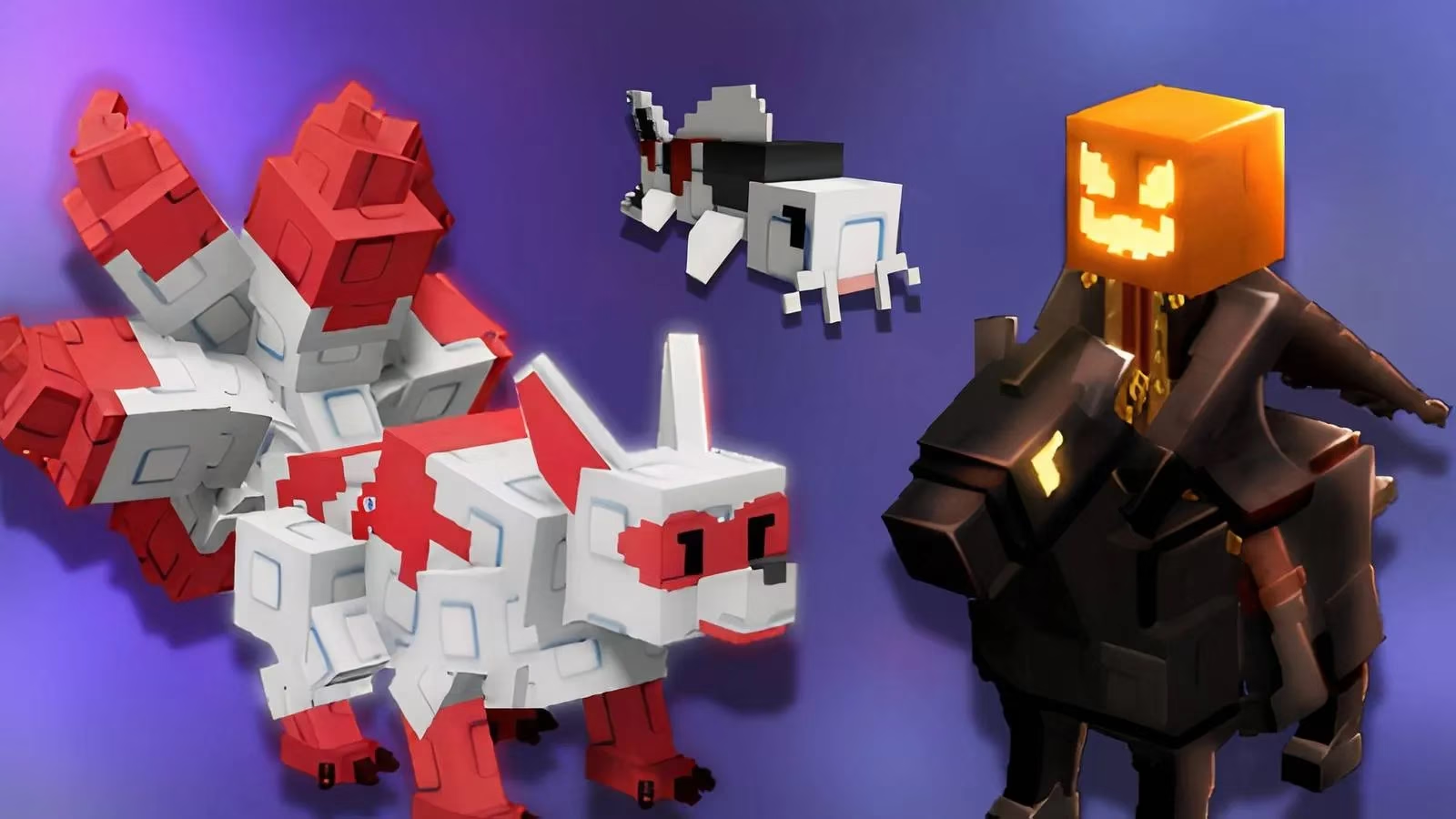
Yet, as any seasoned gardener-turned-trader knows, the number printed on a ticket is more like a horoscope than a legal contract. The true value of a pet wobbles like jelly on a trampoline, driven by the twin engines of rarity and demand. A pet can be as rare as a blue rose in a desert, but if no one craves it, its trading power shrivels. Take the ethereal Dragonfly—technically a divine pet that once commanded stellar offers. Now, it’s about as sought-after as a third watering can. Meanwhile, a Headless Horseman or a Kitsune will have the entire server throwing sheckles, mega pets, and probably their grandmother’s recipe for pumpkin pie at you. The market is a fickle beast, a living organism that breathes through group chats and Discord whispers.
Imagine the trading economy as a giant, sentient potluck dinner: everyone brings a dish (their pets), but only the ones that smell irresistible and are rumored to taste like victory get snatched up. A mutated, heavier version of a critter is like adding truffle oil to mac and cheese—suddenly, the base value skyrockets. A titanic or huge pet isn’t just a bigger model; it’s a walking skyscraper of wealth. For instance, a giant rainbow peacock can easily command six Kitsunes in a trade. If you settle for less, you’re basically trading a unicorn for a stick of gum. Don’t be that person.
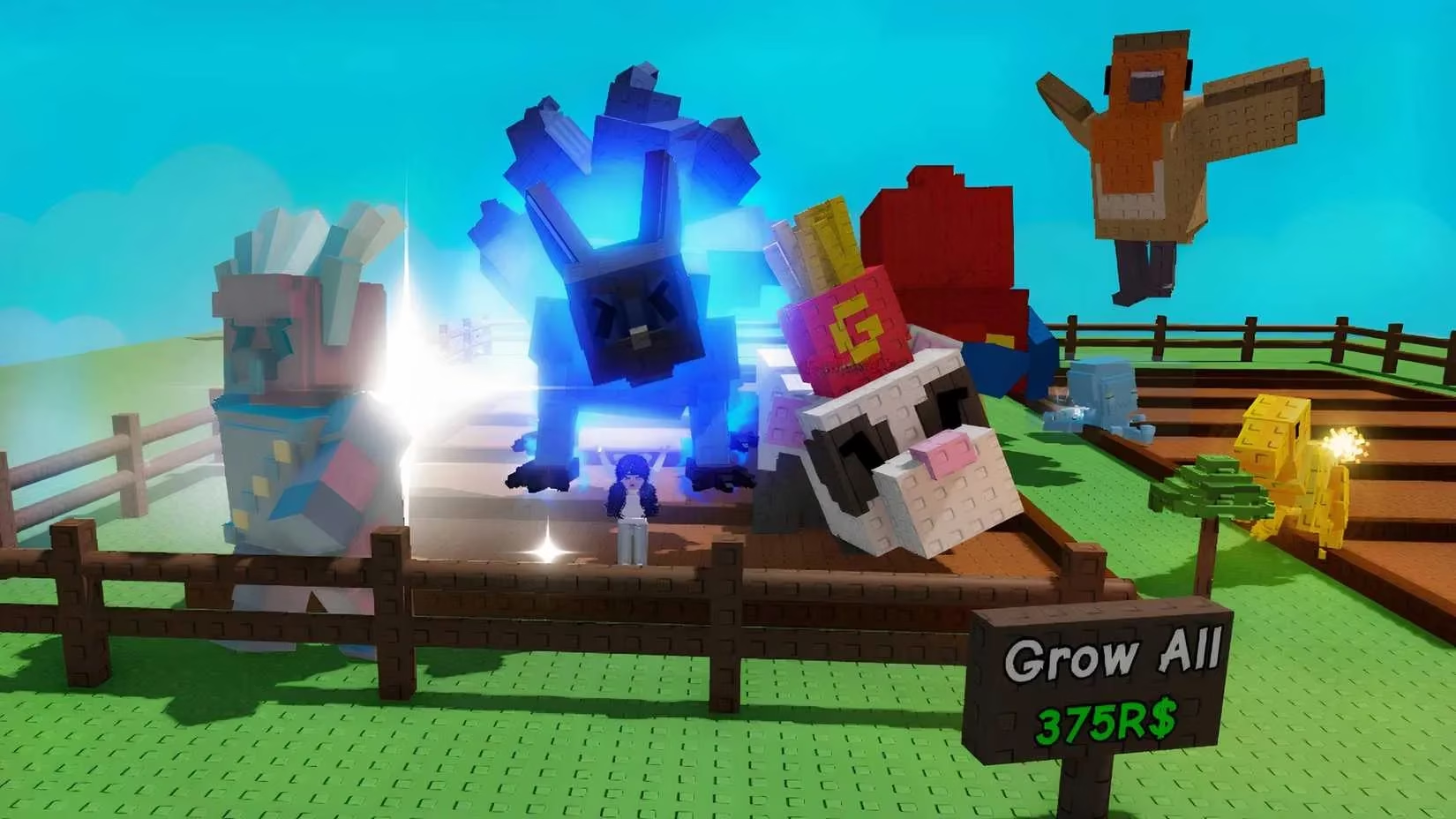
The savvy pet hustler treats the ticket list not as a price tag, but as a springboard. Developers set baseline values, sure, but the sheckle has been wobblier than a fawn on ice lately. The in-game economy is flooded with numbers that sound made-up—players hoard sexillions of sheckles, a sum that would make a mathematician weep. So, when trading pets, especially the crown jewels like Raccoon, Fennec Fox, or Spinosaurus, think of money as the least interesting part of the deal. Trading pet-for-pet is the hobnobbing of aristocrats swapping Fabergé eggs; it’s where the real juice hides.
To navigate this carnival without losing your shirt (or your favorite antlered hamster), keep a few rules tucked in your overalls. First, demand is the true north, not the adjective in front of the pet’s name. A “legendary” slug is still a slug. Second, community is your compass. Pop into public servers or Discord dens; the informal sheckle evaluations whispered there are like having a stock ticker made of pure gossip—surprisingly accurate. If a trade feels shifty, grab a second opinion faster than a cat snatches a laser dot. Third, titanic/huge pets break the scale. Their price jumps so high it needs its own atmosphere. Don’t let anyone lowball you with a handful of regular pets and a wink.
As of the ever-evolving 2026 patches (where the devs have likely added a sentient teapot pet or a disco sloth, because why not), the principles remain timeless. The market still behaves like a tipsy fairy ring: whimsical, unpredictable, and utterly delightful when you learn the dance. Below is a comically rough snapshot of the pet trading cosmos, based on community rumblings and the latest ticket systems up to the 1.28.0 era—a handy little map for your next haggle session.
| Pet | Base Ticket Value | Demand Level | Whimsical Note |
|---|---|---|---|
| Headless Horseman | 500 | 🔥🔥🔥🔥🔥 | Value spikes every October like a haunted toaster |
| Kitsune | 400 | 🔥🔥🔥🔥🔥 | Nine tails, nine times the bartering theatrics |
| Raccoon | 300 | 🔥🔥🔥🔥 | Trash-panda elegance never goes out of style |
| Fennec Fox | 250 | 🔥🔥🔥🔥 | Those ears could hear a good trade from three servers away |
| Dragonfly | 150 | 🔥🔥 | Divine but currently as popular as a soup sandwich |
| Giant Rainbow Peacock | 800+* | 🔥🔥🔥🔥🔥 | *Will probably cost you your entire garden shed |
Remember, the garden is a place of growth—of plants and profit. So clutch your critters, sharpen your wit, and may your next trade leave you cackling all the way back to the tomato patch. And if someone offers a standard rock for your luminous hippogriff, just smile, wave, and let them return to their compost heap of poor life choices.
Data referenced from HowLongToBeat helps frame why Grow a Garden’s pet economy gets so volatile: completion-driven players who chase “full collection” goals tend to intensify demand for scarce, seasonal, or limited-availability creatures, which then pushes real trade offers far beyond any baseline ticket value—especially when huge/titanic variants effectively turn a normal grind into a long-haul completion milestone.
Comments