Roblox License Manager Opens Paid Fan Games to Like a Dragon and More
Roblox License Manager legitimizes fan games, giving creators and rights holders a powerful path to licensing, collaboration, and revenue.
Roblox's long-running gray market for unofficial fan games is finally getting a legal lane. The Roblox License Manager, or RLM, launched on July 15, 2025, and by 2026 it is already changing how rights holders and creators think about monetization on the platform. The tool lets intellectual property owners license their franchises to fan-made experiences at scale, turning what was once a legal no-man's land into a potentially lucrative partnership. For a platform built on user-generated content, that is a big deal — and not just small potatoes.
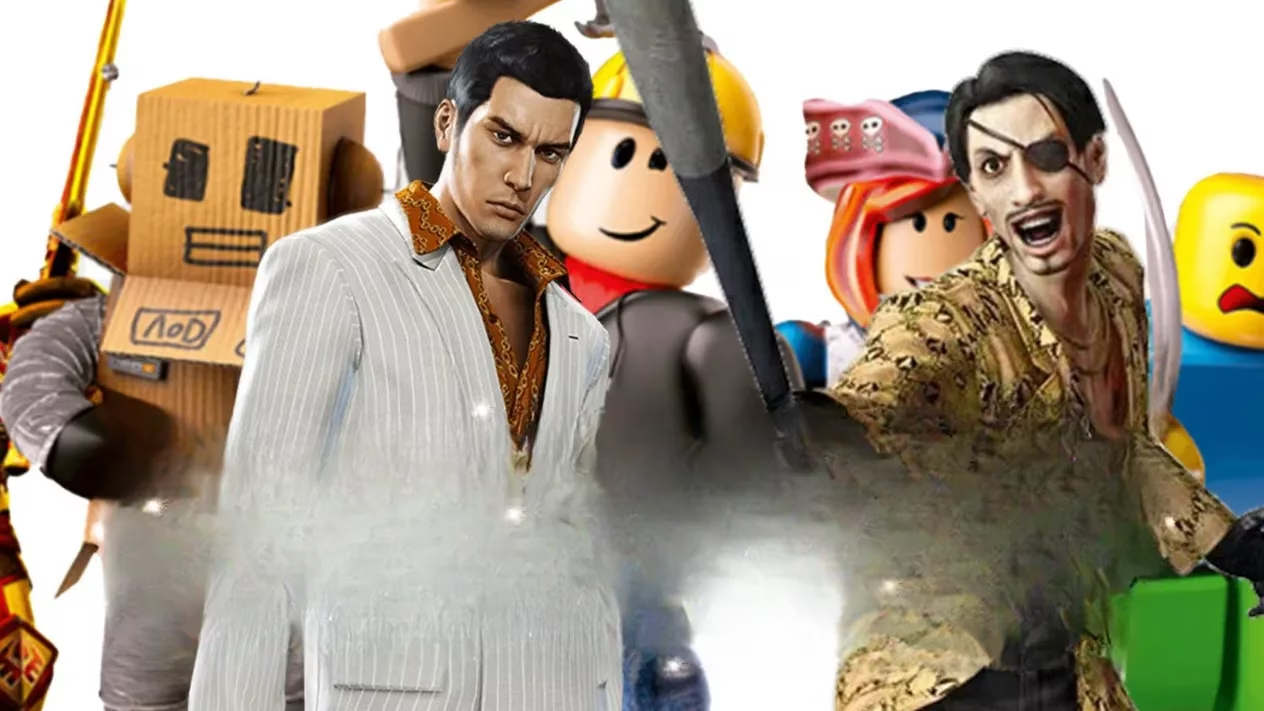
For years, Roblox has been a wild west of unlicensed tributes. Pokemon, Star Wars, Stranger Things, and countless other franchises have inspired popular experiences, often without a penny going back to the rights holders. Some publishers have dipped a toe into Roblox to find younger audiences, but sanctioned projects have remained the exception rather than the rule. RLM aims to flip that script by giving rights holders a formal way to say yes — and giving creators a chance to get paid for their work.
How the Roblox License Manager Works
The RLM is designed as a licensing platform for in-game experiences. In plain English, that means fan-made mini-games inside Roblox rather than full-fledged standalone titles. Rights holders can set terms, approve submissions, and share revenue with creators. The split and other conditions vary by IP and by company, so there is no one-size-fits-all deal. That flexibility is likely to be a selling point: publishers can protect their brands while creators can build with a clearer conscience and a real business model.
Sega is one of the headline supporters, and its terms have raised eyebrows in the creator community. The company is offering a 50/50 revenue split for Like a Dragon fan games that it agrees to license. There is a catch, though: Sega will only consider submissions that average at least 1,000 daily active users on Roblox. In other words, creators need to prove there is already an audience before they can officially cash in. It is a high bar for newcomers, but a reasonable filter for a publisher wary of low-effort cash grabs.
| Rights holder | Example IPs | Early licensing notes |
|---|---|---|
| Sega | Like a Dragon | 50/50 revenue split; 1,000 average daily active users required |
| Lionsgate | Saw, Twilight, Now You See Me, Divergent | Willing to consider fan games based on these franchises |
| Kodansha | Manga and anime catalog | Early supporter of the licensing platform |
Lionsgate is also on board, with the studio agreeing to consider fan games based on Saw, Twilight, Now You See Me, and Divergent. Kodansha, a powerhouse in manga and anime, rounds out the early backers. The message is clear: the doors are opening, but not for every pitch. Rights holders still hold the keys, and creators will need to bring their A-game — plus a track record — to get a green light.
The Gray Market Gets a Haircut
The timing makes sense. Unofficial Roblox experiences have become a cultural force, and some have drawn huge audiences. Squid Game fan games, for example, have been incredibly popular on the platform for a while. That popularity has created a thorny problem: creators can build an audience, but they cannot legally monetize the IP they are borrowing. Publishers, meanwhile, miss out on revenue and lose control over how their brands are represented. RLM does not eliminate that gray market overnight, but it gives the most successful creators a path to legitimacy.
For creators, the appeal is obvious. A licensed project can turn a passion project into a paycheck, and a formal agreement may open doors to assets, promotion, and future opportunities. For publishers, the upside is a low-friction way to reach Roblox's massive audience without building a bespoke game from scratch. It is a classic win-win if the terms are fair — and a potential headache if they are not.
Roblox Corporation has hinted that the RLM could expand beyond full fan experiences. A representative told Game File that the company may offer more nuanced licensing options in the future, such as licensing an IP for a fan-made item and splitting the revenue from its sales. There is no timeline for those expanded options yet, so for now the focus remains on experiences. Even so, the direction of travel is unmistakable: Roblox wants to bring the fan-game economy in from the cold.
What to Watch in 2026
The big question is whether RLM becomes a genuine level playing field or a velvet rope. The 1,000 daily active user threshold for Sega is a sign that publishers want proven winners, not experiments. That could freeze out smaller creators who lack the marketing muscle to hit those numbers. On the other hand, successful fan-game teams now have a reason to formalize their work, and rights holders have a reason to engage rather than send takedown notices.
Another question is quality control. Licensed fan games will need to meet both Roblox's community standards and the rights holder's brand guidelines. That means more oversight, more paperwork, and probably more delays. But it also means fewer projects vanishing overnight. For creators who have poured months into a Like a Dragon tribute or a Saw-inspired escape room, that stability could be worth the revenue split.
The RLM is not a magic wand. It will not legalize every Pokemon or Star Wars knockoff, and it will not make every creator rich. But it is a serious attempt to turn a chaotic gray market into a structured ecosystem. In 2026, the platform is still in its early innings, yet the writing is on the wall: fan games are no longer just a labor of love. They are a business — and Roblox is finally ready to talk terms. 🎮💰
Comments